
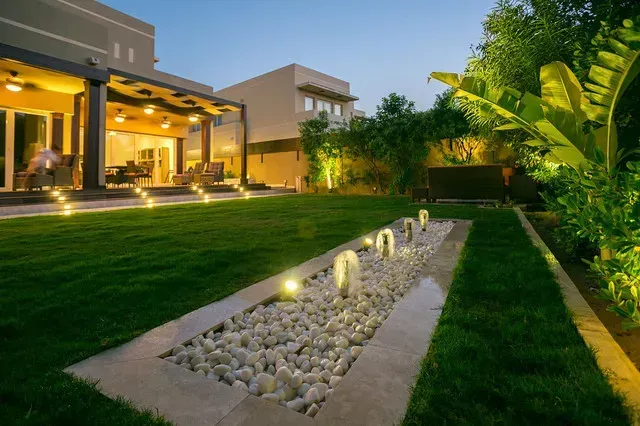
Villa landscaping turns your outdoor area into a practical space for relaxing, entertaining and enjoying greenery. A successful garden combines a thoughtful layout, suitable plants, prepared ground and reliable irrigation. Each part should complement your home and suit the way you use it.
At Plants Expert, your villa landscaping project begins with understanding what you want from your garden. You may need a new lawn, more privacy, a shaded seating area or a complete garden renovation. Defining these priorities helps establish a clear design and quotation.
For homeowners searching for the best villa landscaping in Dubai, the right choice depends on more than the finished appearance. Material specifications, installation quality, drainage, maintenance access and clear project terms all deserve attention.
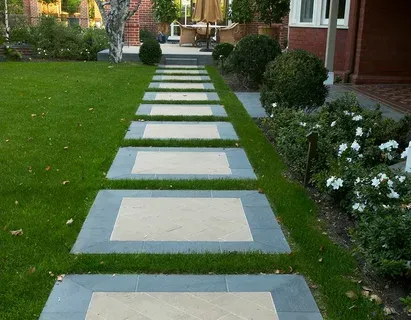
Villa landscaping includes the planning, preparation and installation of outdoor planting and built features. The scope can range from refreshing a small garden to creating an entirely new outdoor layout.
A landscaping proposal may include the following work, depending on your requirements:
| Landscaping work | What the scope can include |
|---|---|
| Garden design | Layout planning, planting arrangements and material selection |
| Site preparation | Removal, excavation, ground preparation and level adjustments |
| Soft landscaping | Trees, shrubs, flowers, groundcovers and soil improvement |
| Lawn installation | Natural grass or artificial grass with suitable preparation |
| Irrigation | Drip lines, sprinklers, valves and watering controls |
| Hard landscaping | Paving, pathways, borders and seating surfaces |
| Garden features | Planters, pergolas, lighting and water features |
| Maintenance | Lawn care, pruning, weeding and routine garden checks |
Your quotation should identify which items are included, their quantities and the materials to be supplied.
A villa garden design should reflect how you want to use the space. Establish the main activities before selecting plants, tiles or decorative features.
A family garden may prioritise an open lawn and clear walking routes. An entertaining garden may need a dining terrace, shade and convenient access from the house. A quieter courtyard may work well with perimeter planting, comfortable seating and a compact water feature.
The design should answer several practical questions:
These decisions create a useful foundation for the project and help prevent unnecessary changes during construction.
Site preparation establishes the ground conditions and levels needed for the planned landscape. New finishes should follow an assessment of the existing area.
A garden may contain old turf, buried construction waste, uneven ground or damaged irrigation lines. Covering these problems without addressing them can affect the new installation.
Preparation work may include removing unwanted materials, establishing levels, preparing planting areas and constructing suitable bases for paved surfaces.
Drainage also needs attention. The finished layout should account for where water will move and how it will leave the relevant areas. Paving levels, thresholds, planting beds and existing drainage points should be considered together.
Before work begins, confirm the removal quantities, disposal arrangements, preparation methods and finished levels in the agreed scope.
Outdoor plants should be selected according to sunlight, growing space, soil conditions and watering requirements. Their mature size matters as much as their appearance at delivery.
A balanced planting design can combine trees, screening plants, shrubs and groundcovers. Each group serves a different purpose:
Avoid selecting plants only from photographs. Ask about the supplied size, expected growth, pruning needs and suitability for the exact position.
For an accurate quotation, record plant names, quantities, approximate heights and planting locations. Clarify whether soil improvement, supports, delivery and installation are included.
Natural grass creates a living lawn that needs suitable light, a prepared growing area and regular care. The grass variety should be selected after assessing the site.
A complete lawn installation may involve:
The reason for any existing lawn failure should be investigated first. Uneven watering, shade, soil conditions and heavy use may require correction before new turf is installed.
Ask when the new lawn can be walked on, when mowing should begin and who will manage watering during establishment.
Artificial grass provides a manufactured lawn surface whose performance depends on both the product and its installation. It can be considered for selected garden areas where a living lawn is not preferred.
Compare samples before choosing. Pile height is one specification; colour, density, backing, intended use and warranty terms also affect the decision.
The installation scope should explain:
Discuss exposure, surface temperature and intended use when selecting a product. Artificial grass also needs routine cleaning, debris removal and occasional checks of its edges and joints.
Automatic irrigation supplies water through controlled zones designed around the garden’s planting and lawn areas. The system should be planned alongside the landscape layout.
Drip irrigation can deliver water to individual plants or planting beds. Sprinklers distribute water over lawn areas. Different parts of the garden may require separate zones and operating schedules.
A detailed irrigation proposal should identify the controller, valves, pipework, sprinklers or emitters, connections and testing arrangements.
For an existing system, inspection can establish whether it needs adjustments, extensions or replacement parts. Check for leaks, damaged fittings, blocked emitters and areas receiving uneven coverage.
The handover should include an explanation of the controls and access points. Watering settings should be reviewed as plants establish and conditions change.
Paving creates usable surfaces and connects different parts of the garden. A well-positioned path makes movement easier while keeping foot traffic away from planting beds.
Material selection should consider appearance, outdoor suitability, cleaning requirements and the intended activity. Request product information rather than relying solely on a showroom sample.
The quotation should distinguish between tile supply and installation. It should also describe the base preparation, laying method, edge details and drainage falls where relevant.
Before approving the layout, review:
Coordinating these details early helps create a more consistent finish.
A pergola helps define an outdoor seating or dining area. Its size and position should suit the furniture, garden layout and access routes.
Consider how the area will be used throughout the day. The design may need to accommodate a dining table, lounge seating, lighting or nearby planting.
The proposal should identify the structure’s dimensions, materials, finish, fixing method and any roof covering. Where electrical fittings are planned, include their locations before construction begins.
Confirm any applicable property-management requirements before scheduling installation.
Water features and lighting add detail to a garden when their position supports the overall layout. They work best when planned with maintenance and service access in mind.
A fountain or waterfall needs a suitable basin, circulation equipment, water containment and accessible components. Its flow and sound should suit nearby seating, windows and neighbouring properties.
Garden lighting can highlight pathways, steps, trees and selected features. Position fittings to support visibility and limit glare.
For either feature, clarify the equipment specification, installation scope, electrical connections and ongoing care requirements.
A small villa garden benefits from a simple layout and carefully sized features. Preserving usable space is usually more valuable than adding many separate elements.
Perimeter planting can keep the centre open. Built-in planters may help organise narrow spaces, while a limited range of paving and finishes can create continuity.
Before adding a large planter, tree or water feature, check its dimensions against the actual garden. Include the space needed for walking, furniture use and maintenance.
A small garden can still feel complete with a defined seating area, suitable planting and a clear route from the house.
Garden renovation improves selected areas while retaining elements that remain useful. It can address practical problems without replacing the entire landscape.
A renovation assessment should identify:
Separate essential repairs from optional upgrades. This helps establish priorities and makes phased work easier to plan.
For Plants Expert to assess your requirements, provide photographs showing both the problem areas and the wider garden layout.
Villa landscaping costs depend on the project’s measured quantities, existing condition, materials and construction requirements. A defined scope provides a more useful basis for pricing than garden area alone.
A planting refresh and a complete garden build can involve very different work, even on plots of the same size.
The main factors affecting the quotation are:
| Cost factor | Details to confirm |
|---|---|
| Removal work | Materials, quantities, access and disposal |
| Ground preparation | Excavation, soil improvement and base construction |
| Plant selection | Species, supplied sizes and quantities |
| Lawn specification | Natural turf or artificial grass product |
| Irrigation | Existing condition, new zones and equipment |
| Paving | Material supply, preparation and installation |
| Garden features | Dimensions, structure and finishes |
| Site access | Delivery route and handling requirements |
Compare quotations against the same specifications. Confirm taxes, exclusions, payment stages, validity and any applicable warranty terms before accepting.
Choose a contractor whose proposal explains how the garden will be built, finished and maintained. A clear quotation helps you assess the work before committing.
Review examples of relevant completed projects and ask questions about details that resemble your requirements. For companies described as “top rated,” check the source, recency and substance of the reviews.
Before appointment, request:
The best fit for your villa is a contractor who understands your priorities and translates them into a practical, reviewable proposal.
Ongoing maintenance supports the appearance and condition of the completed garden. Plan it before installation finishes, particularly for new lawns and planting.
Routine care may include mowing, pruning, weeding, leaf collection and irrigation checks. The schedule should reflect the garden’s size, plant types and workload.
If you arrange a maintenance contract, confirm visit frequency, labour allocation and included tasks. Plant replacement, fertilisers, specialist treatments, irrigation materials and waste removal should be clearly addressed in the agreement.
Keep the planting schedule and equipment information available for future maintenance.
Yes. Begin with a complete layout so ground levels, buried services and structural work support later stages. Agree on the boundaries and handover requirements for each phase.
Irrigation pipework and required groundwork should be coordinated before the finished lawn is laid. The system should then be tested and adjusted for the lawn area.
Existing trees may be retained where their condition and position suit the proposed work. Assess them before planning excavation or construction nearby.
The programme depends on the scope, site access, material availability and any required approvals. Request a schedule linked to the agreed work rather than a general completion promise.
It should include the work description, quantities, material specifications, price, exclusions, payment terms, validity and applicable warranty details.
Provide the villa location, photographs, approximate dimensions, preferred style and a list of required improvements. Mention any known access restrictions or existing service problems.
Create an outdoor space that suits your home and the way you use it. Start with a practical layout, then coordinate planting, lawn, irrigation and built features around that plan.
Contact Plants Expert for your villa landscaping requirements in Dubai. Share your site photographs, approximate measurements and preferred design to discuss the scope of your garden project.